Views: 0 Author: Site Editor Publish Time: 2025-07-23 Origin: Site


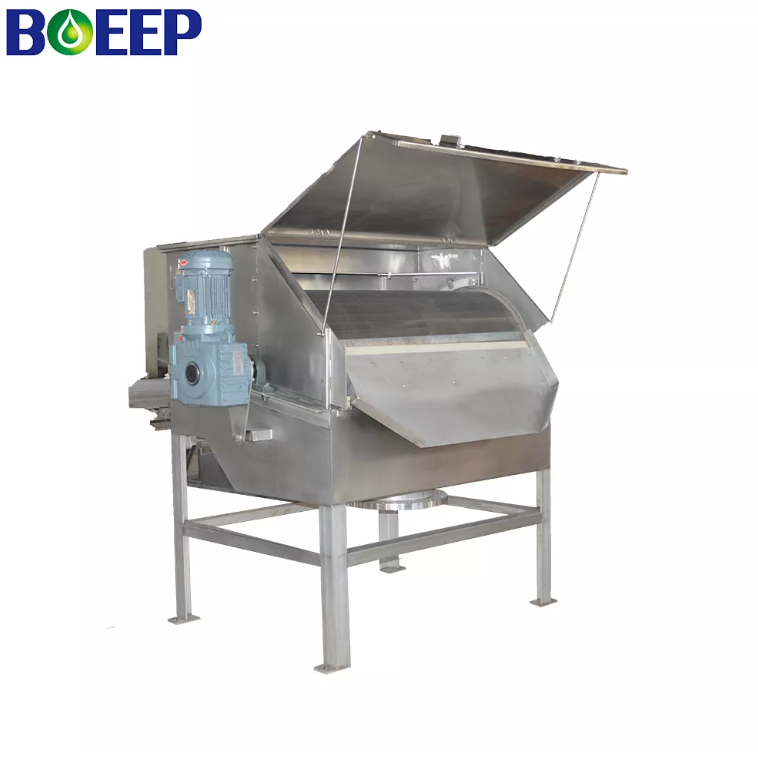
In the realm of industrial machinery, presses play a pivotal role in manufacturing processes, ranging from metal forging to waste compaction. Among the various types of presses available, screw presses and mechanical presses are widely used due to their efficiency and versatility. Understanding the differences between these two types of presses is essential for engineers, manufacturers, and industry professionals seeking to optimize production processes.
This article delves into a comprehensive comparison between screw presses and mechanical presses, exploring their operational principles, applications, advantages, and limitations. By examining these aspects, we aim to provide valuable insights that aid in selecting the appropriate press type for specific industrial needs.
Press machines are mechanical devices that apply pressure to deform, shape, or compact materials. They are integral in various industries, including metalworking, recycling, and food processing. The primary function of a press is to apply a controlled force over a material to achieve the desired deformation or compaction.
Presses can be classified based on their drive mechanisms, which determine how force is generated and applied. The main categories include:
Mechanical Presses
Hydraulic Presses
Pneumatic Presses
Screw Presses
Each type offers unique characteristics suited to different applications. This article focuses on the comparative analysis of screw presses and mechanical presses.
Screw presses operate based on the rotational movement of a screw shaft, which converts rotational motion into linear force. As the screw rotates, it moves a ram or pressing plate vertically to apply pressure on the material. The screw mechanism allows for gradual application of force, providing precise control over the pressing process.
The torque applied to the screw is generated by an electric motor or manually, depending on the scale and application of the press. The mechanical advantage provided by the screw thread enables the press to exert significant force with relatively low input energy.
Screw presses can be categorized into two main types:
Direct Drive Screw Presses: Utilize a direct coupling between the motor and the screw shaft.
Friction Drive Screw Presses: Use a friction disk mechanism to transfer rotational motion to the screw shaft.
Screw presses are versatile machines used in various industries, including:
Metal Forging: Ideal for hot forging operations where gradual force application is beneficial.
Oil Extraction: Used in the extraction of oils from seeds and nuts through mechanical pressing.
Waste Compaction: Employed in compacting industrial waste and sludge dewatering processes.
Screw presses offer several benefits:
Precise Force Control: Allowing for accurate pressure application.
Energy Efficiency: Require less power for operation due to mechanical advantage.
Simple Design: Fewer moving parts result in lower maintenance requirements.
Versatility: Suitable for a wide range of materials and processes.
Despite their advantages, screw presses have certain limitations:
Slower Operating Speeds: Not ideal for high-speed production requirements.
Limited Force Capacity: Generally suitable for medium to low force applications.
Heat Generation: Friction in the screw mechanism can generate heat, affecting performance.
Mechanical presses utilize mechanisms such as crankshafts, eccentric drives, or toggle systems to convert the rotational motion of a motor into linear motion of the ram. The rotational speed and energy of the flywheel, driven by an electric motor, are transferred to the ram through these mechanical linkages, enabling rapid and repetitive pressing actions.
The mechanical press operates in a cyclic manner, where each rotation corresponds to a complete pressing stroke. This mechanism allows for high-speed production with consistent force application.
Mechanical presses are categorized based on their drive mechanisms:
Crank Presses: Use a crankshaft to convert rotational motion into linear motion.
Eccentric Presses: Employ an eccentric shaft for motion conversion.
Toggle Presses: Utilize toggle mechanisms to amplify force over a shorter distance.
Mechanical presses are widely used in industries that require high-speed and high-force operations:
Stamping and Punching: Ideal for sheet metal fabrication processes.
Cold Forging: Suitable for deforming metal at room temperature.
Coining Operations: Used in minting coins and precision metal parts.
Assembly Processes: Applied in press-fitting and riveting operations.
Mechanical presses offer several significant benefits:
High Production Speed: Capable of rapid cycling for mass production.
Consistent Force Application: Provide uniform force throughout the stroke.
High Force Capacity: Suitable for heavy-duty applications requiring significant force.
Durability: Robust construction allows for long service life under demanding conditions.
Mechanical presses also have certain drawbacks:
Complex Design: More moving parts leading to higher maintenance requirements.
Less Control Over Force Application: Limited ability to adjust force during operation.
Higher Energy Consumption: Continuous operation of motors and flywheels consumes more energy.
Safety Concerns: High-speed movement requires stringent safety measures.
Screw presses provide gradual force application, allowing for precise control over the pressing process. This feature is beneficial when working with materials that require careful deformation to prevent damage. Conversely, mechanical presses deliver force rapidly and consistently, suitable for processes where speed and uniformity are critical.
Mechanical presses excel in high-speed production environments due to their ability to complete numerous cycles per minute. Screw presses operate at slower speeds, making them less suitable for mass production but ideal for applications where speed is not the primary concern.
Screw presses are generally more energy-efficient because they require less power to generate the needed force, thanks to the mechanical advantage of the screw mechanism. Mechanical presses, particularly those operating continuously at high speeds, consume more energy due to the operation of heavy motors and flywheels.
Mechanical presses have complex mechanisms with numerous moving parts, which can lead to increased wear and maintenance requirements. Screw presses have simpler designs with fewer moving components, resulting in lower maintenance and longer lifespans under proper usage.
The choice between a screw press and a mechanical press depends largely on the specific application requirements:
Screw Presses: Best suited for applications requiring precise force control, energy efficiency, and handling of delicate materials.
Mechanical Presses: Ideal for high-speed, high-force operations in mass production settings.
Initial investment and operating costs are critical factors. Screw presses typically have lower energy costs due to their efficiency, but may have higher initial costs depending on the specifications. Mechanical presses, while potentially offering lower initial costs for standard models, may incur higher energy and maintenance costs over time.
In metal forging, the choice of press significantly impacts product quality and production efficiency.
A manufacturer producing large, intricate components might prefer a screw press due to its precise control over force and the ability to apply pressure gradually, reducing the risk of material defects. On the other hand, a company focusing on small, high-volume parts may opt for mechanical presses to benefit from high-speed production and consistent force application.
Screw presses are extensively used in the extraction of oils from seeds and nuts. The gradual pressing action ensures maximum yield without generating excessive heat that could degrade the oil quality. Mechanical presses are less suitable for this application due to their rapid force application and potential heat generation.
In waste management, screw presses are effective for dewatering sludge and compacting waste materials, reducing volume for easier handling and disposal. Mechanical presses might be employed in recycling processes where rapid compaction of materials like metals and plastics is required for high-throughput operations.
The integration of advanced automation and control systems has enhanced the performance of both screw presses and mechanical presses. Programmable logic controllers (PLCs) and human-machine interfaces (HMIs) allow for precise control, monitoring, and adjustment of press operations, increasing efficiency and safety.
Efforts to reduce energy consumption have led to the development of more efficient motor drives and energy recovery systems. For mechanical presses, variable frequency drives (VFDs) can optimize motor speed and torque, while regenerative braking systems can capture and reuse energy.
Advances in materials science have led to the use of stronger, lighter materials in press construction, improving durability and performance. Finite element analysis (FEA) and computer-aided design (CAD) enable more precise engineering of components to withstand operational stresses.
Press operations involve significant force, and safety is paramount. Mechanical presses, with their high-speed movement, require safeguards such as light curtains, safety interlocks, and emergency stop functions to protect operators. Screw presses, operating at slower speeds, present fewer immediate hazards but still necessitate proper safety measures.
Regular maintenance is essential for safe operation. Lockout/tagout procedures should be in place to ensure machinery is de-energized during maintenance. Training for maintenance personnel on the specific hazards associated with each type of press is crucial.
Reducing energy consumption not only lowers operating costs but also minimizes environmental impact. Screw presses, being more energy-efficient, contribute to lower greenhouse gas emissions over their operating life. Mechanical presses, with higher energy demands, may have a larger carbon footprint unless mitigated by energy-efficient technologies.
Efficient press operations can reduce material waste through precise control and consistent operation. Selecting the appropriate press type for the application ensures optimal use of materials and minimizes scrap, supporting sustainable manufacturing practices.
Understanding the differences between screw presses and mechanical presses is essential for making informed decisions in industrial manufacturing and processing. Screw presses offer precise force control, energy efficiency, and are suitable for applications involving delicate materials or where gradual force application is necessary. Mechanical presses provide high-speed, consistent force ideal for mass production and processes requiring significant force.
The selection between these presses depends on various factors, including the nature of the material, production volume, energy considerations, and specific process requirements. By carefully evaluating these aspects, manufacturers can choose the most appropriate press type, optimizing efficiency, productivity, and sustainability in their operations.
Q1: What are the main differences in operating principles between screw presses and mechanical presses?
A1: Screw presses operate by converting rotational motion into linear force through a screw mechanism, allowing for gradual and precise force application. Mechanical presses use mechanisms like crankshafts and eccentrics to convert rotational motion into rapid linear motion, providing consistent force for high-speed operations.
Q2: Which type of press is more suitable for high-speed mass production?
A2: Mechanical presses are more suitable for high-speed mass production due to their ability to complete numerous cycles per minute with consistent force, making them ideal for industries like automotive manufacturing and metal stamping.
Q3: How does energy efficiency compare between screw presses and mechanical presses?
A3: Screw presses are generally more energy-efficient because they require less power to achieve the necessary force, leveraging the mechanical advantage of the screw mechanism. Mechanical presses consume more energy due to the operation of motors and flywheels, especially during continuous high-speed cycles.
Q4: What considerations should be made regarding maintenance for both press types?
A4: Mechanical presses have more complex mechanisms with numerous moving parts, leading to higher maintenance requirements and potential downtime. Screw presses, with simpler designs and fewer moving components, generally require less maintenance, but regular inspections are still essential for safe operation.
Q5: Are screw presses suitable for processing delicate materials?
A5: Yes, screw presses are suitable for processing delicate materials due to their ability to apply force gradually and precisely, minimizing the risk of damaging the material. This makes them ideal for applications like oil extraction and certain forging processes.
Q6: How do technological advancements impact the performance of screw presses and mechanical presses?
A6: Technological advancements such as automation, improved control systems, and energy-efficient drives enhance the performance of both press types. Automation allows for more precise control, increased safety, and better monitoring, while energy-efficient technologies reduce operating costs and environmental impact.
Q7: What factors should be considered when choosing between a screw press and a mechanical press?
A7: Key factors include the nature of the material being processed, required production speed, force capacity, energy consumption, maintenance requirements, and cost considerations. Evaluating these factors in relation to specific application needs will guide the selection of the most appropriate press type.