|

| Quantity: | |
|---|---|
MDS
BOEEP
MDS
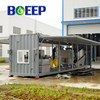
As a premier manufacturer and supplier of advanced environmental engineering equipment, we introduce the Mobile Portable Wastewater Treatment Plant designed specifically for membrane sludge dehydration.
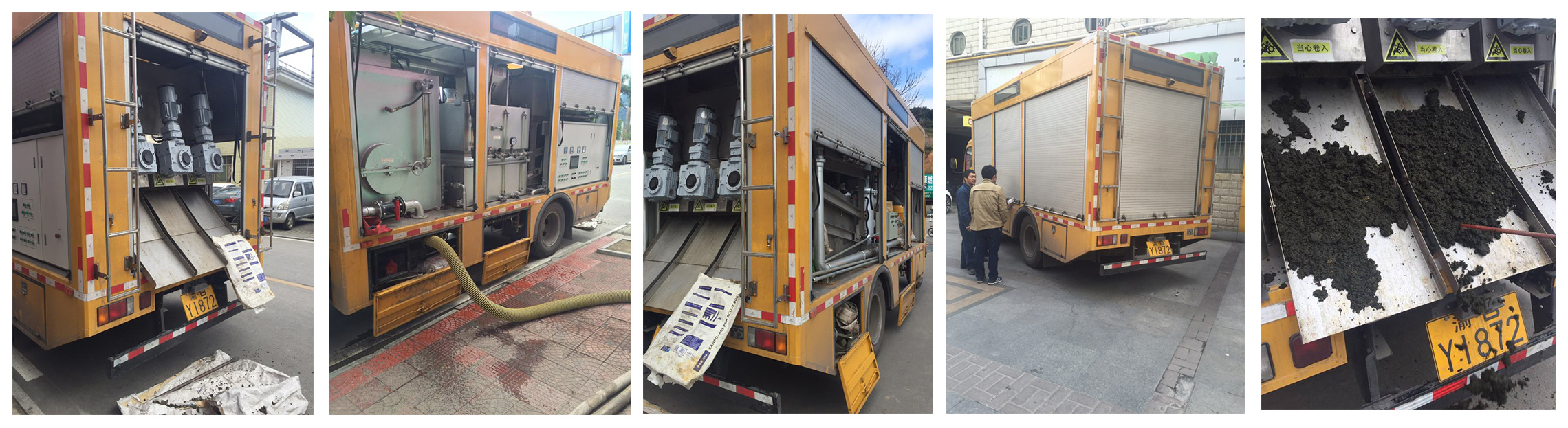
This highly integrated, vehicle-mounted or containerized system delivers immediate, on-site solid-liquid separation without the need for extensive civil infrastructure.
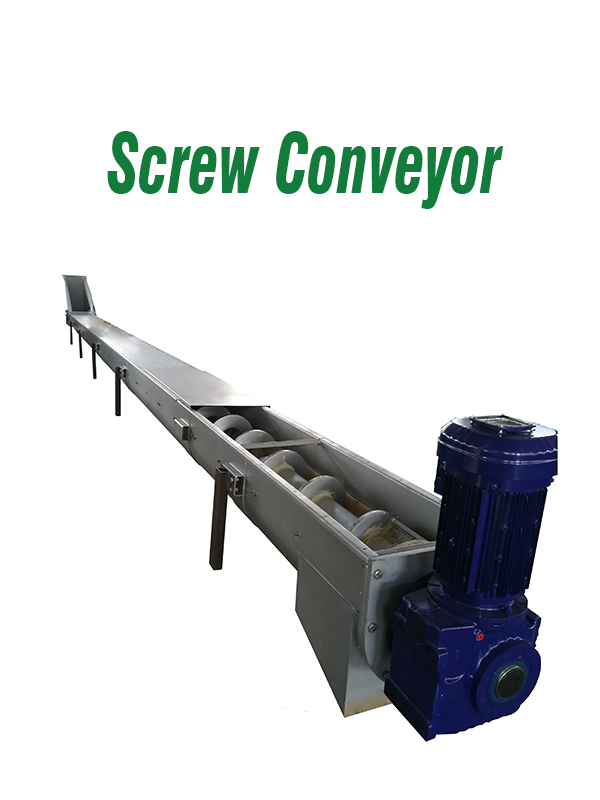
Engineered with a high-efficiency screw screw press, an automated polymer preparation unit, and a robust shaftless screw conveyor, the entire suite operates continuously with minimal manual intervention.
Ideal for decentralized sewage treatment sites, it provides a compact, low-noise, and odor-controlled solution to streamline sludge volume reduction and optimize operational expenditure.
The demand for agile, responsive municipal and industrial water treatment requires equipment that transcends stationary limitations. This mobile portable wastewater treatment plant is masterfully engineered to provide immediate, high-performance membrane sludge dehydration directly at the source. Housed within a rugged, weather-resistant container or securely mounted on a heavy-duty transport vehicle, the system arrives ready to operate. The metallic gleam of the premium stainless steel screw screw press reflects a commitment to enduring craftsmanship, while the quiet, rhythmic hum of the integrated pumps and motors speaks to its precision engineering and low-vibration performance.
Upon activation, the system seamlessly draws raw sludge from lagoons or holding tanks, initiating a meticulously controlled flocculation process within the integrated mixing chamber. Here, the precise dosing of polymers transforms the liquid waste into distinct, manageable flocs. As these flocs enter the main body of the screw press, the gradually narrowing pitch and specialized rings apply consistent, powerful pressure, expelling water efficiently. The tactile, dense, and earthy-smelling sludge cake is then continuously discharged via the robust shaftless screw conveyor, while the clarified filtrate is safely routed back to the primary processing loop. By eliminating the necessity for permanent concrete infrastructure, this mobile unit transforms how facility managers approach decentralized waste management, offering a sophisticated, plug-and-play architecture that mitigates environmental impact and dramatically reduces the physical footprint.

Model | DS Sludge treating capacity | Sludge flow treating capacity | ||||
|---|---|---|---|---|---|---|
10000mg/L | 20000mg/L | 30000mg/L | 40000mg/L | 50000mg/L | ||
MYDL101 | 5-7 kg/h | ~0.5 m³/h | ~0.25 m³/h | ~0.2 m³/h | ~0.15 m³/h | ~0.14 m³/h |
MYDL131 | 10-14 kg/h | ~1 m³/h | ~0.5 m³/h | ~0.4 m³/h | ~0.3 m³/h | ~0.28 m³/h |
MYDL201 | 15-20 kg/h | ~1.5 m³/h | ~0.75 m³/h | ~0.6 m³/h | ~0.5 m³/h | ~0.4 m³/h |
MYDL202 | 30-40 kg/h | ~3 m³/h | ~1.5 m³/h | ~1.2 m³/h | ~1 m³/h | ~0.8 m³/h |
MYDL203 | 45-60 kg/h | ~4.5 m³/h | ~2.25 m³/h | ~1.8 m³/h | ~1.5 m³/h | ~1.2 m³/h |
MYDL301 | 50-70 kg/h | ~5 m³/h | ~2.5 m³/h | ~2 m³/h | ~1.5 m³/h | ~1.4 m³/h |
MYDL302 | 100-140 kg/h | ~10 m³/h | ~5 m³/h | ~4 m³/h | ~3 m³/h | ~2.8 m³/h |
MYDL303 | 150-210 kg/h | ~15 m³/h | ~7.5 m³/h | ~6 m³/h | ~4.5 m³/h | ~4.2 m³/h |
MYDL304 | 200-280 kg/h | ~20 m³/h | ~10 m³/h | ~8 m³/h | ~6 m³/h | ~5.6 m³/h |
MYDL351 | 100-120 kg/h | ~10 m³/h | ~5 m³/h | ~4 m³/h | ~3 m³/h | ~2.4 m³/h |
MYDL352 | 200-240 kg/h | ~20 m³/h | ~10 m³/h | ~8 m³/h | ~6 m³/h | ~4.8 m³/h |
MYDL353 | 300-360 kg/h | ~30 m³/h | ~15 m³/h | ~12 m³/h | ~9 m³/h | ~7.2 m³/h |
MYDL354 | 400-480 kg/h | ~40 m³/h | ~20 m³/h | ~16 m³/h | ~12 m³/h | ~9.6 m³/h |
MYDL401 | 130-160 kg/h | ~13 m³/h | ~6.5 m³/h | ~5 m³/h | ~4 m³/h | ~3.2 m³/h |
MYDL402 | 260-320 kg/h | ~26 m³/h | ~13 m³/h | ~10 m³/h | ~8 m³/h | ~6.4 m³/h |
MYDL403 | 390-480 kg/h | ~39 m³/h | ~19.5 m³/h | ~15 m³/h | ~12 m³/h | ~9.6 m³/h |
MYDL404 | 520-640 kg/h | ~52 m³/h | ~26 m³/h | ~20 m³/h | ~16 m³/h | ~12.8 m³/h |
Model / Item | YTH500 | YTH1000 | YTH1500 | YTH2000 | YTH2500 | YTH3000 | YTH4000 | |
|---|---|---|---|---|---|---|---|---|
Capacity (L/h) | Curing for an hour | 500 | 1000 | 1500 | 2000 | 2500 | 3000 | 4000 |
Power (kw) | 1.7 | 2.45 | 2.45 | 2.45 | 3.5 | 3.9 | 3.9 | |
PAM dosage (kg/h) | 1~5 | 2~10 | 3~15 | 3.5~20 | ||||
Water inflow (m³/h) | 0.3-1.5 | 0.6-3 | 0.9-4 | 1.2-6 | 1.6-8 | 2.0-10 | 2.4-12 | |
Reference Dimension (mm) | L | 1370 | 2000 | 2130 | 2200 | 2400 | 2400 | 2720 |
B | 680 | 1000 | 1070 | 1200 | 1200 | 1300 | 1400 | |
H | 1500 | 1710 | 1710 | 1900 | 2140 | 2180 | 2250 | |
L1 | 1300 | 1930 | 2060 | 2130 | 2330 | 2330 | 2650 | |
B1 | 730 | 1050 | 1120 | 1250 | 1350 | 1350 | 1450 | |
Ports | Powder feeder DN | DN25 | DN32 | DN32 | DN32 | DN40 | DN40 | DN40 |
Water inlet DN1 | DN25 | DN32 | DN32 | DN32 | DN40 | DN50 | DN50 | |
Overflow port DN2 | DN32 | DN40 | DN40 | DN40 | DN40 | DN40 | DN40 | |
Vent port DN3 | DN25 | DN32 | DN32 | DN32 | DN40 | DN40 | DN40 | |
N.W. (kg) | 380 | 510 | 590 | 710 | 820 | 860 | 1080 | |
Model / Item | WLS-260 | WLS-300 | WLS-360 | WLS-420 | |
|---|---|---|---|---|---|
Rotation Speed (rpm) | 18 (horizontal); >18 (incline) | ||||
Capacity (m³/h) | 0° | 3 | 6 | 9.5 | 12 |
15° | 2.1 | 4.6 | 6.5 | 9 | |
30° | 1.3 | 2.6 | 4.3 | 5.7 | |
Screw diameter (mm) | 220 | 260 | 320 | 380 | |
Conveying length (m) | 6 | ||||
Power (reference) (kw) | 1.1 | 1.5 | 2.2 | 3 | |
Installation angle α | ≤20° (Special ordering 20° < α ≤ 30°) | ||||
Our engineering team has meticulously designed this mobile unit to overcome the traditional barriers of stationary sludge treatment. By integrating top-tier components into a unified, transportable framework, the system provides unparalleled flexibility and reliability.
All-in-One Integration: The system flawlessly combines the screw screw press, polymer preparation unit, dosing pumps, and sludge conveyors into a single, cohesive ecosystem, eliminating the complexities of sourcing and assembling disparate parts.
Exceptional Wear Resistance: Constructed with premium-grade stainless steel, the core dewatering rings and screw shaft resist abrasion and corrosion, ensuring long-term structural integrity even when processing highly abrasive industrial sludge.
Self-Cleaning Mechanism: The dynamic interaction between the moving and fixed rings of the screw press prevents clogging, allowing for the continuous processing of oily and sticky membrane sludge without the need for high-pressure backwashing.
Intuitive Control Interface: Equipped with a fully automated electrical control panel, operators can easily monitor and adjust flocculation dosing, screw speed, and pump flow rates, ensuring optimal cake dryness with minimal training.
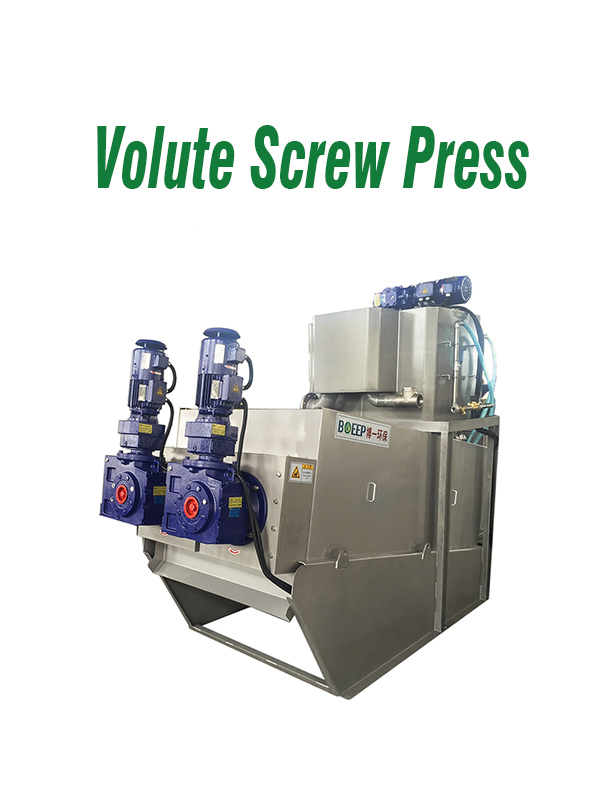
Time is a critical asset in dynamic project environments. This equipment is specifically tailored for procurement teams who require rapid response capabilities without the financial burden of permanent civil works.
Plug-and-Play Architecture: Arrives at the site fully assembled. Once connected to the power source and inlet/outlet pipes, the system is ready to commence dewatering operations immediately.
Zero Civil Engineering Required: The self-contained nature of the containerized or truck-mounted design means no concrete foundations, specialized housing, or complex structural approvals are necessary.
Seamless Relocation: Designed to be easily hoisted or driven to the next location, making it the perfect asset for servicing multiple small-scale sewage treatment factories or temporary construction sites.
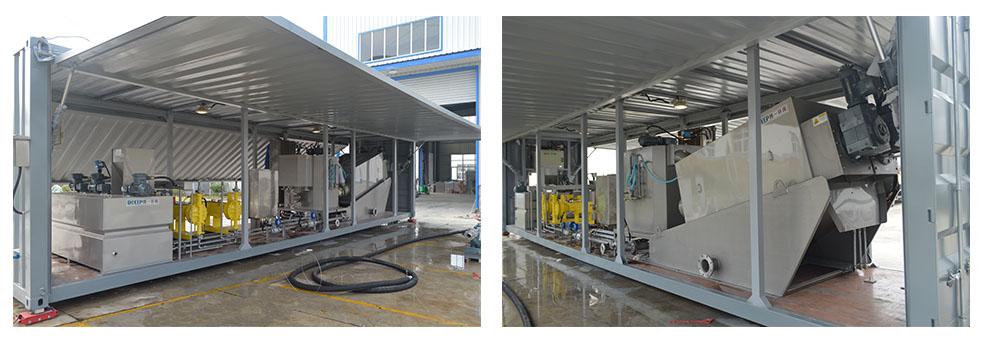
At the heart of this mobile plant lies a sophisticated processing methodology designed to maximize solid capture rates and significantly reduce the final volume of the waste material.
Advanced Flocculation: The integrated polymer preparation unit ensures the thorough maturation of flocculants, which are then precisely injected into the mixing tank to bind suspended solids into robust flocs.
Screw Screw Dehydration: Utilizing a mechanically ingenious combination of fixed and moving rings, the screw press exerts continuous, increasing pressure on the flocculated sludge, forcefully expelling the filtrate.
High Dryness Output: The system consistently produces a firm, stackable sludge cake, drastically reducing the water weight and volume, which is essential for minimizing downstream disposal costs.
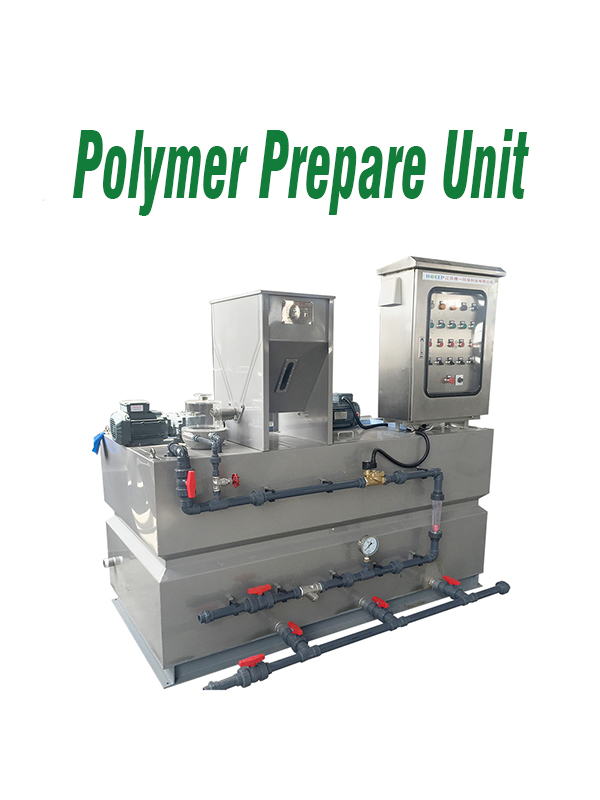
To address the challenges of operating in remote or understaffed locations, the mobile wastewater treatment plant is infused with high-level automation, transforming complex chemical and mechanical processes into a streamlined, hands-free operation.
Unattended Continuous Running: From sludge intake and polymer dosing to cake discharge, the entire cycle is governed by intelligent sensors and PLC systems, allowing for 24/7 operation without constant human supervision.
Smart Fault Detection: Built-in safety protocols automatically monitor pressure, flow rates, and motor temperatures, triggering instant alerts or safe shutdowns to protect the equipment from unexpected anomalies.
Low Maintenance Profile: With significantly fewer wearing parts compared to traditional centrifuges or belt presses, the maintenance schedule is highly predictable, requiring only basic periodic inspections.
Space optimization is a hallmark of superior industrial design. This system exemplifies how heavy-duty processing capabilities can be condensed into a highly efficient footprint.
Compact Spatial Footprint: Every pump, tank, and conveyor is strategically positioned within the container to maximize accessibility while minimizing the overall dimensions of the unit.
Synchronized Component Operation: The sludge pump, polymer feed pump, and screw press are electrically interlocked, ensuring that flow rates are perfectly matched to prevent overflows or dry running.
Efficient Cake Evacuation: The customized shaftless screw conveyor is precisely angled to catch the discharged sludge cake and transport it directly into a waiting truck or disposal bin, maintaining a clean operating environment.
Environmental compliance and community relations are paramount. This mobile plant is engineered to operate harmoniously within sensitive environments, from urban centers to ecological reserves.
Complete Odor Containment: The fully enclosed design of the screw screw press and mixing tanks securely traps volatile organic compounds, ensuring a virtually odor-free perimeter.
Acoustic Dampening: Operating at a remarkably low decibel level, the slow-rotating screw shaft and insulated enclosure prevent acoustic pollution, making it suitable for nighttime operations or residential proximities.
Energy Conservation: Designed for low power consumption, the system draws a fraction of the electricity required by high-speed centrifugal alternatives, aligning with sustainable operational goals.
Investing in this mobile dewatering system translates directly into measurable financial advantages, rapidly accelerating the return on investment for large-scale operators and service providers.
Drastic Haulage Reduction: By dewatering sludge on-site, the volume of waste requiring transportation is reduced by up to 80%, instantly cutting fleet fuel costs and tipping fees.
Multi-site Asset Utilization: Instead of purchasing static equipment for every small facility, a single mobile unit can be rotated across multiple sites, maximizing the utility and profitability of the capital asset.
Lower Operating Expenses (OPEX): The combination of low energy consumption, automated operation (reducing labor costs), and minimal spare parts replacement creates a highly favorable total cost of ownership.
When selecting capital equipment for critical infrastructure, the pedigree of the manufacturer is just as important as the machinery itself. We stand at the forefront of environmental technology, driven by an uncompromising dedication to quality and client success.
Engineering Excellence: Decades of specialized experience in solid-liquid separation allow us to design systems that tackle the most challenging membrane sludge profiles with ease.
Stringent Quality Assurance: Every mobile plant undergoes rigorous factory acceptance testing (FAT) under simulated load conditions before dispatch, ensuring flawless performance upon arrival.
Global Support Network: We provide comprehensive technical documentation, remote troubleshooting, and rapid dispatch of authentic spare parts to keep your operations running smoothly worldwide.
Customization Capabilities: Recognizing that no two wastewater profiles are identical, our engineering team offers tailored modifications to container sizes, pump specifications, and control logic to meet precise project requirements.
Thanks to its plug-and-play architecture, the system can typically be fully operational within a few hours of arriving on site. The primary requirements are simply connecting the main power supply, attaching the sludge inlet hose, and routing the filtrate return line. No permanent civil foundations are needed.
Yes, the equipment is highly adaptable. As detailed in our specifications, models like the MYDL series can process varying sludge flow capacities ranging from concentrations of 10,000 mg/L up to 50,000 mg/L. The automated control panel allows operators to adjust the polymer dosing and screw speed to match the specific characteristics of the incoming influent.
The fully enclosed nature of the screw screw press and the containerized housing prevents the escape of noxious odors and hazardous aerosols. This not only ensures compliance with strict local environmental regulations but also creates a significantly safer, cleaner, and more pleasant working environment for the site personnel.
The shaftless screw conveyor is designed for heavy-duty, low-maintenance operation. Lacking a central shaft, it prevents the tangling of fibrous materials. Routine maintenance primarily involves periodic inspection of the ultra-high molecular weight polyethylene (UHMWPE) wear liners and standard lubrication of the drive motor bearings.
Absolutely. The integrated YTH series polymer preparation unit is designed to accurately dose and thoroughly cure dry powder polyacrylamide (PAM). The multi-chamber design ensures complete hydration and maturation of the polymer, preventing the formation of "fish eyes" and ensuring maximum flocculation efficiency before the sludge enters the dewatering press.