Feed sludge concentration dictates the mechanical efficiency, chemical consumption, and overall operational viability of municipal and industrial wastewater treatment plants. Total Suspended Solids (TSS) serves as the single most critical variable in this process. When facilities process sludge outside optimal concentration ranges, they face immediate, compounding consequences. Sub-optimal feed solids lead to poor cake dryness, excessive chemical consumption, screen blinding, and accelerated equipment wear. Operators frequently battle hydraulic overloads when feed drops too thin, or torque faults when it spikes too thick. Optimizing feed concentration requires a strategic, field-tested approach. Facilities must implement dynamic control systems and match their specific sludge profile to the correct equipment architecture. Properly managing sludge concentration for dewatering ensures regulatory compliance, maximizes operational efficiency, and significantly reduces hauling and disposal volumes.
Optimal Operating Windows: Most standard screw presses operate efficiently between 0.5% and 3% feed solids, though specialized designs can handle wider ranges.
Direct Cost Correlation: Feed concentration inversely impacts polymer demand; thinner sludge requires exponentially more chemical conditioning to achieve proper flocculation.
Equipment Architecture Matters: Integrated pre-thickening zones are mandatory for consistently thin sludge (<1%), preventing the need for separate, footprint-heavy thickening tanks.
Automation is Critical: Modern facilities must utilize inline TSS monitoring and automated feed-forward control loops to manage concentration fluctuations without manual intervention.
Pilot Testing is Non-Negotiable: Vendor claims must be validated through site-specific sludge characterization and pilot testing before capital expenditure.
Facility managers and operators rely on specific baseline metrics to measure dewatering success on the plant floor. Total Suspended Solids (TSS) measures the physical mass of particles in the liquid, typically expressed as a percentage. Volatile Suspended Solids (VSS) indicates the organic portion of those solids. The VSS-to-TSS ratio tells operators how sticky and difficult the sludge will be to dewater. Dry solids percentage defines the final output quality of the cake dropping into the hopper. Operators evaluate success through final cake dryness, solids capture rate, and filtrate quality. High capture rates prevent solids from returning to the headworks and overloading the aeration basins. Clear filtrate reduces the biological oxygen demand (BOD) load on the main treatment process.
Different sludge origins present distinct concentration baselines and introduce unique mechanical handling challenges. Primary clarifier sludge typically contains higher inorganic material, settles easily, and dewaters well, but it carries grit that accelerates abrasive wear on screw flights. Waste Activated Sludge (WAS) consists of biological cells holding massive amounts of bound water, making it notoriously difficult to dewater without heavy chemical conditioning. Anaerobically digested sludge changes consistency based on digestion time, volatile destruction, and gas entrainment. Industrial Dissolved Air Flotation (DAF) float often contains high levels of fats, oils, and grease (FOG), which coat filtration screens and halt water drainage.
Sludge Origin | Typical Baseline Concentration (TSS) | VSS/TSS Ratio | Dewaterability Challenge |
|---|---|---|---|
Primary Clarifier Sludge | 3.0% - 5.0% | 60% - 70% | High grit content, abrasive wear on screw flights |
Waste Activated Sludge (WAS) | 0.5% - 1.5% | 75% - 85% | High bound water, fragile flocs, high polymer demand |
Anaerobically Digested Sludge | 2.0% - 4.0% | 50% - 60% | Variable viscosity, gas entrainment, unpredictable shear |
Industrial DAF Float | 4.0% - 8.0% | 80% - 95% | High FOG, severe screen blinding risk, sticky cake |
Biological factors alter sludge viscosity and bound-water content daily. Sludge age, or Solids Retention Time (SRT), directly influences particle structure. Older sludge often develops a weaker floc structure that shears easily under mechanical pressure. Seasonal temperature shifts compound these baseline concentration effects. Cold winter temperatures increase liquid viscosity, hindering water drainage through the filter screens and requiring operators to slow the screw speed. Warm summer temperatures accelerate biological activity, potentially causing premature gas release, denitrification, and floating sludge in holding tanks, which drastically thins out the feed concentration pulled from the bottom of the tank.
Standard screw press dewatering operations find their sweet spot between 0.5% and 3% feed solids. Efficiency peaks within this window. Below 0.5%, hydraulic overloading becomes a severe risk, as the machine simply cannot push enough water through the screens fast enough. Above 3%, mechanical torque increases rapidly, putting strain on the gearbox and motor. Operating within the ideal range ensures optimal floc formation. It balances hydraulic throughput against solids loading capacity, preventing premature equipment wear and keeping the process stable.
Water removal in the compression zone relies on applied mechanical pressure and time. The starting concentration limits the final dry solids (DS) percentage of the discharged cake. Higher initial feed solids generally yield a drier final cake. The screw shaft gradually decreases in pitch while the screen gaps narrow toward the discharge plate. This geometry squeezes free water from the flocculated sludge. If the feed is too thin, the compression zone cannot build sufficient backpressure against the discharge cone. The resulting cake remains wet, sloppy, and voluminous, drastically increasing disposal requirements and creating a mess on the conveyor belts.
Feed thickness directly influences filtrate clarity. Proper concentration allows polymer to bind fine particles into robust, shear-resistant flocs. These flocs bridge the screen gaps, creating an autogenous filtration layer that traps smaller particles. Improper concentration leads to solids bypass. Pin floc carryover occurs when fragile flocs shear under pressure and push through the wedge wire. High return loads to the headworks disrupt the entire plant balance, creating a vicious cycle of poor settling and thinner sludge. Maintaining the correct feed solids ensures capture rates exceed 95%, keeping the filtrate clear and the plant in compliance.
Operators must differentiate between hydraulic capacity and solids loading capacity to run a press effectively. Hydraulic capacity measures gallons per minute (GPM). Solids loading capacity measures dry pounds per hour. Low concentration maximizes the hydraulic load. It forces the machine to process massive volumes of water while starving the solids throughput. Conversely, high concentration maximizes solids loading but requires careful torque management.
Check the feed pump GPM against the manufacturer's hydraulic limit.
Calculate the dry solids loading by multiplying GPM by concentration and the 8.34 conversion factor.
If hydraulic limits are reached before solids limits, the sludge is too thin.
If torque limits are reached before hydraulic limits, the sludge is too thick.
Adjust the variable frequency drive (VFD) on the feed pump to balance the two metrics.
Concentration impacts the daily operational equation on the plant floor. Facilities must balance polymer consumption against hauling and tipping fees. Wetter, heavier sludge cake drives up transportation requirements. Every percentage drop in final cake dryness adds significant water weight to the disposal trucks. Optimizing feed concentration reduces the required active polymer dose. It maximizes water extraction, resulting in fewer truckloads leaving the facility each week and freeing up operator time for other maintenance tasks.
Effective polymer dosing for sludge dewatering must scale dynamically with feed concentration. Polymer chains neutralize electrical charges on sludge particles, stopping them from repelling each other. They bridge these particles together to maintain optimal floc structure. This structure must withstand the mechanical shear forces inside the press. Static dosing rates fail when feed concentrations fluctuate. Operators must adjust the chemical injection to match real-time solids loading, otherwise they risk blinding the screens with unreacted polymer or washing out the press with un-flocculated sludge.
Low-concentration sludge requires higher active polymer doses per dry ton. Thin sludge contains dispersed particles that need longer polymer chains and more chemical bridging to build shear-resistant flocs. This dynamic drives up operational expenditures rapidly. High-concentration sludge requires less polymer per dry ton because the particles are already in close proximity. However, highly concentrated sludge demands specialized polymer types, often with higher molecular weight, to penetrate the thick matrix without causing localized overdosing and sticky cake.
Feed Concentration | Polymer Demand (Active lbs/dry ton) | Flocculation Characteristic | Mixing Energy Required |
|---|---|---|---|
Thin (< 1.0%) | 15 - 25 lbs | Fragile, easily sheared | Low to moderate, gentle folding |
Optimal (1.5% - 2.5%) | 10 - 18 lbs | Robust, large popcorn floc | Moderate, consistent agitation |
Thick (> 3.0%) | 8 - 14 lbs | Dense, tight matrix | High, aggressive initial mixing |
Injecting and mixing polymer into varying viscosities presents mechanical realities. Overly thick feeds risk floc shearing if mixing energy is too aggressive in the flocculation tank. Inadequate mixing in thin feeds leaves unreacted polymer in the liquid phase, which turns into a slippery gel that blinds the wedge wire. Floc maturation requires a specific retention time. Flocculation tanks must provide gentle agitation using variable speed mixers. This allows the polymer chains to uncoil and capture suspended solids before entering the dewatering drum.
Modern facilities rely on inline microwave or optical TSS sensors. Automated feed-forward control loops are necessary for stability. Pacing polymer pumps to real-time concentration data prevents under-dosing. Under-dosing leads to poor solids capture and dirty filtrate. Automated systems also prevent over-dosing. Excess polymer causes screen blinding, creates a slipping effect on the screw shaft, and wastes expensive chemicals. Integrating these sensors ensures continuous, optimized flocculation despite upstream process variations from the clarifiers or digesters.
Attempting direct dewatering on sludge below 0.5% introduces severe implementation risks. The equipment experiences rapid pressure loss in the dewatering zone. Liquid blow-out occurs at the discharge plate, spraying wet sludge across the floor. Excessive hydraulic loading overwhelms the filtration screens. The un-flocculated liquid bypasses the compression zone entirely. This results in a wet, sloppy cake discharge that cannot be stacked, easily transported, or accepted by local landfills.
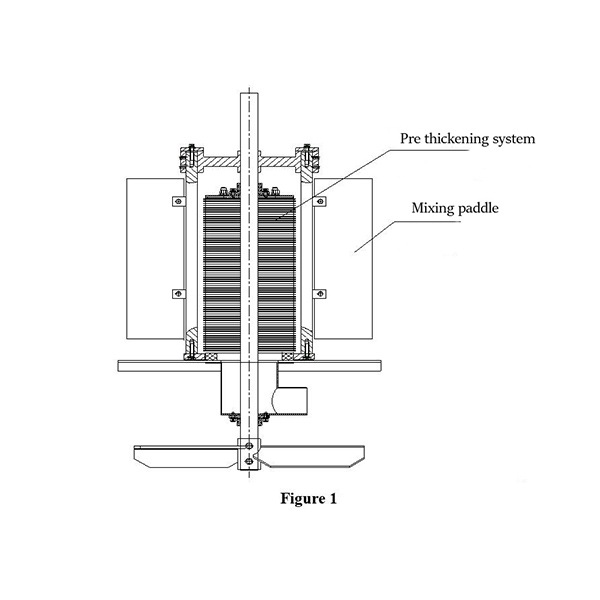
A pre-thickening screw press solves thin sludge challenges mechanically. An extended gravity drainage zone removes free water before the compression stage. Some designs incorporate a separate rotary thickening drum upstream of the main screw. This architecture rapidly increases the solids concentration from 0.5% up to 3% or higher by draining free water through a rotating screen. The thickened sludge then drops into the high-pressure zone, allowing the machine to build proper backpressure against the pneumatic cone for maximum dry solids output.
Integrated pre-thickening offers distinct advantages over separate unit processes. Operating a separate gravity thickener requires massive concrete tanks, scraper mechanisms, and significant floor space. Standalone rotary drum thickeners demand additional feed pumps, separate polymer injection points, and isolated control panels. An integrated unit consolidates these processes. It reduces the overall equipment footprint inside the dewatering building. It lowers total energy consumption by utilizing a single drive system or synchronized drives for both thickening and dewatering phases.
Feeding sludge thicker than 4-5% introduces significant mechanical strain. The gearbox experiences extreme torque overload as the dense material resists forward movement along the screw flights. Screen wear accelerates due to high friction, especially if the sludge contains primary grit. Motor amperage spikes, potentially triggering thermal overloads and shutting down the system mid-cycle. Operators must carefully monitor the physical limitations of the drive unit when processing exceptionally thick primary or industrial sludges to prevent snapping the drive shaft.
Highly concentrated, viscous sludge easily blinds filter screens. Industrial sludges high in Fats, Oils, and Grease (FOG) present the highest risk. The sticky material coats the wedge wire or screen gaps, creating an impermeable grease cap. This coating reduces filtrate drainage to zero. Once drainage stops, the internal pressure drops, and the cake becomes wet. Facilities processing high-FOG sludge require increased wash water cycles, hotter wash water, and higher pressure spray nozzles to keep the screens clear.
Protecting equipment requires proactive mitigation strategies on the plant floor.
Install Variable Frequency Drives (VFDs) on the sludge feed pump to allow operators to dial back the flow rate during thick sludge events.
Integrate torque-monitoring sensors directly into the gearbox to track mechanical strain in real-time.
Program the PLC to automatically adjust the screw RPM or pause the feed pump when torque exceeds 85% of the safe threshold.
Implement an auto-reversing sequence to clear blockages before triggering a hard fault.
Increase the frequency and duration of the automated wash water solenoid cycles when processing heavy FOG loads.
The architecture of screw screw press dewatering differs fundamentally from traditional wedge wire designs. The filtration cylinder consists of alternating moving and fixed stainless steel rings. The screw shaft pushes through the center of these rings. As the shaft rotates, it continuously nudges the moving rings up and down. This precise mechanical action creates a dynamic filtration surface. The gaps between the rings narrow progressively toward the discharge end, squeezing water from the sludge while the movement prevents particles from wedging in the gaps.
Screw presses demonstrate exceptional resilience to sudden changes in feed concentration. The continuous, self-cleaning nature of the moving rings prevents blinding. Traditional static screens often clog when hit with high-fat or highly concentrated sludges, requiring operators to shut down and pressure wash the drum. The screw design physically clears the filtration gaps with every rotation. This allows the machine to maintain consistent filtrate drainage even when processing difficult, variable-concentration industrial effluents or unpredictable municipal WAS.
Contrasting screw technology against legacy systems highlights its concentration tolerance. Centrifuges consume massive amounts of energy, spin at thousands of RPMs, and are highly sensitive to grit and abrasives found in primary sludge, leading to expensive scroll rebuilds. Belt presses require continuous, high-volume wash water to prevent blinding and create significant odor control issues. They struggle heavily with thin sludge, often washing the un-flocculated solids right off the sides of the belt. Screw presses operate at low speeds (typically under 5 RPM), use minimal wash water, contain odors effectively, and handle a much wider range of incoming solids concentrations without operator intervention.
Vetting a sludge dewatering equipment supplier requires a strict authoritative framework. Evaluate their engineering capability to customize the machine to your specific plant conditions. A qualified supplier adjusts screw pitch, screen spacing, and motor sizing based on your specific sludge concentrations and grit profiles. Off-the-shelf solutions often fail when applied to complex biological or industrial sludges. Demand customized engineering drawings, mass balance calculations, and references from similar facilities before committing to a purchase.
Evaluate suppliers based on their automation packages. Dynamic concentration management requires advanced PLC controls, typically Allen-Bradley or Siemens platforms. A top-tier supplier offers systems capable of integrating directly with plant SCADA networks via Ethernet/IP or Modbus. The control panel must process inputs from inline TSS meters and magnetic flow meters. It should automatically modulate polymer dosing pumps and screw RPM based on those inputs. This level of integration removes human error from the daily dewatering process and keeps the press running optimally during night shifts.
Credible suppliers require bench-scale sludge characterization before quoting a machine. They mandate on-site pilot unit testing using a mobile trailer. Pilot testing guarantees performance metrics under real-world conditions. It validates polymer selection, final cake dryness, and solids capture rates using your actual sludge. Never accept performance guarantees based solely on theoretical calculations or jar tests. The pilot unit must process your live sludge for at least a week, capturing the daily and weekly concentration variations inherent to your specific facility.
Long-term success depends on robust post-installation support. Managing seasonal or process-driven concentration shifts requires ongoing expertise. Establish clear maintenance Service Level Agreements (SLAs) for wear parts like wiper blades and screens. Demand comprehensive operator training during commissioning. Operators must understand how to adjust pneumatic backpressure plates, modify polymer dosing curves, and interpret torque readings to keep the system running efficiently year-round without constantly calling the manufacturer.
Screw press efficiency is never a static equipment metric. It remains a dynamic result of matching machine architecture and automation to the incoming sludge concentration. Facilities with highly variable or consistently thin sludge must prioritize specific mechanical features. Pre-thickening capabilities, self-cleaning screw designs, and robust inline control systems are mandatory for long-term success. Ignoring feed concentration leads to excessive chemical costs, frequent torque faults, and wet, unmanageable sludge cake.
Initiate comprehensive sludge sampling immediately to establish your baseline TSS, VSS, and pH levels across different seasons.
Install inline microwave or optical TSS monitoring sensors on your sludge feed lines to track daily concentration fluctuations.
Contact specialized engineering firms to conduct bench-scale jar testing for optimal polymer selection and dose mapping.
Schedule an on-site mobile pilot test with a reputable supplier to validate equipment sizing and mechanical performance on your live sludge.
Upgrade your existing control panels to integrate automated feed-forward loops for dynamic polymer pacing and screw speed adjustment.
A: The standard industry range falls between 1% and 3% feed solids. This window provides the best balance of hydraulic throughput and mechanical compression. Specialized equipment, particularly models with integrated pre-thickening zones, can efficiently process sludge as thin as 0.2% or as thick as 5%.
A: Yes, but WAS is notoriously thin and retains high amounts of bound water. Dewatering WAS successfully requires specific pre-thickening architecture. It also demands precise, high-quality polymer dosing to build shear-resistant flocs that will not break apart in the compression zone.
A: There is an inverse relationship between feed concentration and polymer demand. Lower concentration sludge generally requires higher active polymer doses per dry ton of solids. Thin sludge forces the polymer to bridge a wider gap between dispersed particles to achieve proper flocculation.
A: When sludge is too thin, un-flocculated liquid bypasses the compression zone. This causes severe hydraulic overloading. The machine cannot build necessary internal backpressure, resulting in a wet, sloppy cake discharge and poor solids capture rates.
A: Screw presses feature a self-cleaning ring design. The moving rings continuously clear the filtration gaps. This prevents screen blinding, handles high-FOG sludges better, and manages concentration variability much more effectively than static wedge-wire screens.
A: Start with bench-scale jar testing to determine the correct polymer chemistry and dosage. Next, deploy a mobile pilot unit on-site. The pilot test processes your live sludge, validating mechanical sizing, cake dryness, and overall performance under real-world conditions.
A: Inline TSS meters feed real-time concentration data to the PLC. The system automatically adjusts polymer dosing pumps and screw rotation speed. This dynamic response prevents liquid blow-outs during thin sludge events and avoids torque overloads when concentration spikes.