Views: 0 Author: Site Editor Publish Time: 2026-03-16 Origin: Site


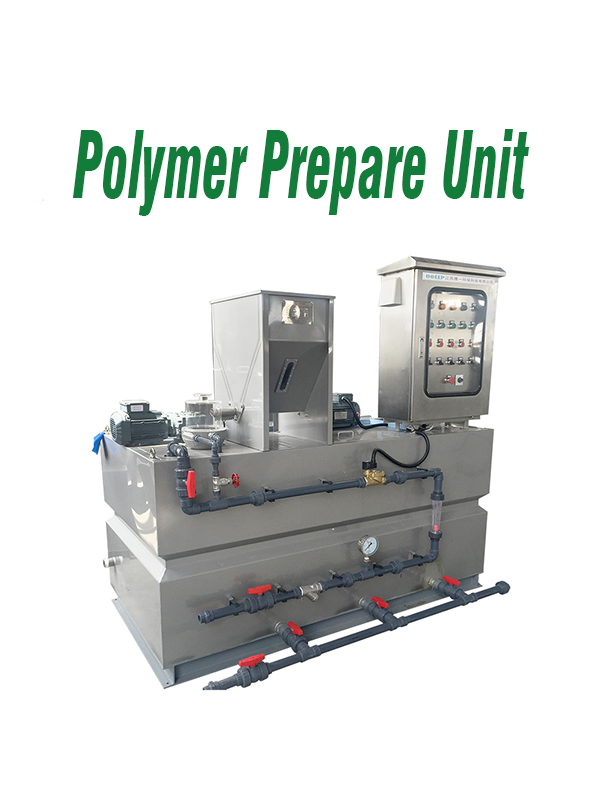
Sludge dewatering systems play a crucial role in removing water from sludge, making it easier to handle and dispose of. However, blockages in these systems can lead to reduced throughput, increased energy consumption, and higher maintenance costs. These blockages often occur when solids accumulate, screens clog, or feed rates exceed system capacity. In this article, we will guide you through the common causes of blockages and how to troubleshoot them effectively. By recognizing early signs and implementing the right fixes, you can ensure smooth operation, reduce downtime, and optimize system performance.
Blockage often starts when sludge dewatering systems receive too many solids or irregular particles that screens and conveyors cannot handle. Large debris, sand, plastics, or textile fragments can accumulate in piping and press parts, interrupting flow and slowing processing. Inorganic materials and high specific gravity solids also settle quickly and resist movement, narrowing internal paths and increasing resistance. Proper screening and consistent conditioning before feed prevents early build‑ups that later require shutdowns and manual cleaning. tip: Pre‑screening reduces large solid entry.
A common cause of system blockage is a mismatch between design capacity and actual operation. When a dewatering unit is undersized for the incoming sludge flow, solids compress and compact within restricted sections. Operators feeding sludge faster than the rated throughput also trigger internal congestion. Improper belt tensioning or incorrect belt width can funnel material into bottlenecks. Balancing equipment size, feed rate, and system layout assures smooth internal flow without unintended accumulation. note: Review design specs before ramping up feed.
In sludge dewatering, chemical conditioning like polymer dosing improves flocculation so solids settle better and drain more easily. Inconsistent dosing, inaccurate polymer mix, or inadequate mixing weakens floc strength and leaves fine particles that cling in conduits and filters. These particles form sticky deposits that later block passages. Stabilizing dosing with automated pumps, online monitoring, and regular jar tests helps maintain optimal sludge quality and prevent blockages caused by poor conditioning. tip: Monitor polymer solution concentration daily.
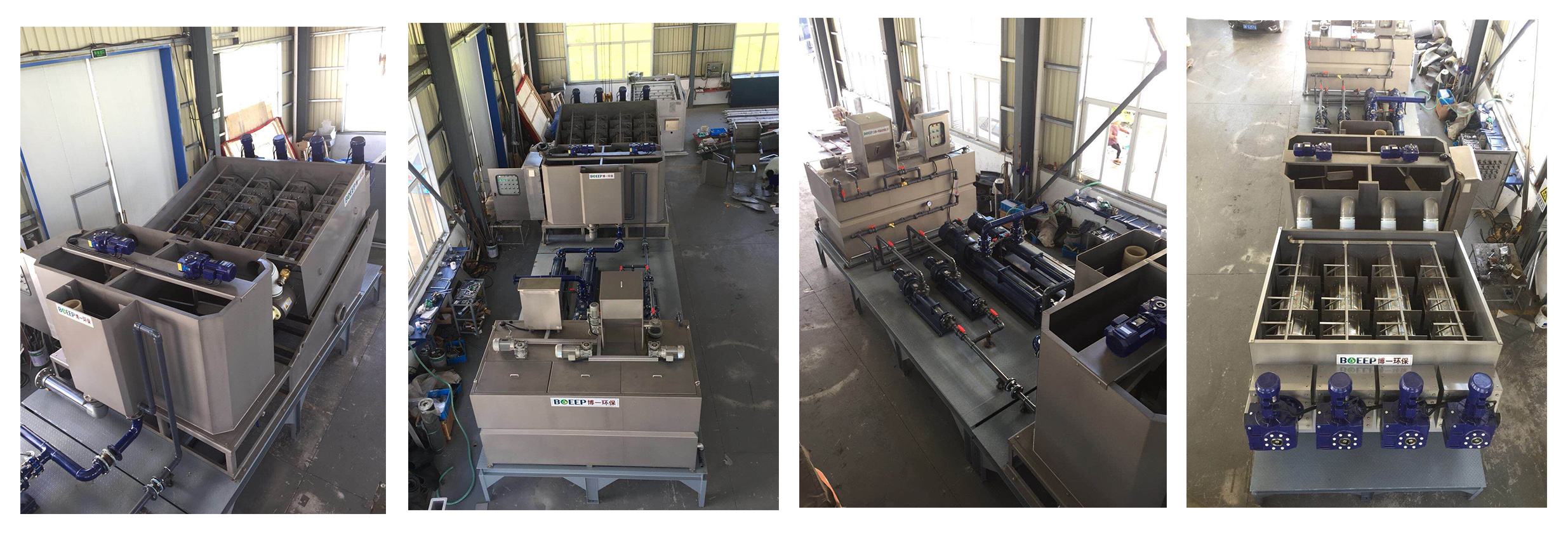
One key early sign of sludge blockage is rising back pressure or erratic flow rates recorded by sensors. As solid build‑up narrows channels, pumps must work harder to push sludge through, boosting return pressure on gauges. Operators may also notice oscillating flow upstream of the blockage point, indicating partial obstruction. Monitoring and logging these changes over time gives early insight before a complete stoppage occurs, enabling timely intervention that avoids costly shutdowns and preserves system balance. tip: Set alarms for pressure trends that exceed normal thresholds.
When sludge paths begin restricting, pumps and motors must generate more energy to maintain flow. Elevated power draws, increased amperage, or frequent motor cycling often signal creeping blockages. Over time, this sustained strain increases wear on bearings and mechanical components and consumes more energy than normal. Spotting these rises early allows technicians to pause and inspect internal paths before failure. Tracking energy use over shifts offers a non‑intrusive way to link rising demand to internal resistance. note: Include energy trends in daily logs.
Monitoring discharge quality and rate gives early insight into internal blockages during sludge dewatering. Reduced cake output, wetter solids, or inconsistent discharge metrics are practical indicators that internal flow restrictions are affecting performance. The table below breaks down key discharge metrics, likely causes, and how operators can interpret them for faster troubleshooting.
| Discharge Indicator | Description | Possible Underlying Cause | Actionable Interpretation |
|---|---|---|---|
| Slower Cake Discharge Rate | Output solids leave press or filter belt at a reduced pace. | Internal resistance, partial blockage, overloaded feed. | Consistently slower discharge suggests build‑up upstream; compare with normal baseline rates. |
| Lower Solids Concentration | Discharged material has less dry solids than expected. | Poor separation efficiency due to restricted flow or improper conditioning. | A drop vs expected %DS signals internal inefficiency; check feed conditioning and screens first. |
| Wetter Cake | High moisture in solids exiting system. | Restricted drainage paths or slow filtrate escape. | Wetter cake indicates impeded filtrate flow; inspect filtration zones early. |
| Erratic Discharge Patterns | Fluctuating discharge volume or thickness. | Intermittent blockages causing inconsistent compression/drainage. | Patterns that vary cycle to cycle point to dynamic flow obstructions needing sensor review. |
| Higher Residual Water in Effluent | More water than normal seen in filtrate stream. | Blocked pores or channels slowing water removal. | Compare effluent clarity against historical averages to detect subtle issues. |
Tip: Establish baseline discharge benchmarks (rate, cake dryness, moisture) during normal operation so deviations are quickly apparent and link back to potential blockages early.
Regular visual and physical inspections play a critical role in detecting sludge blockages early. In addition to checking key components like screens, feeders, and pipes, operators should use thermal imaging or endoscopes for hard-to-reach areas, as these tools can reveal hidden sludge build-up not visible to the naked eye. Physical checks help identify subtle changes in sludge consistency or signs of wear that sensors might miss. Combining these inspections with preventive cleaning schedules improves system reliability and prevents performance degradation.
Advanced instrumentation in sludge dewatering systems can detect early warning signs of blockages before they affect performance. Sensors that monitor pressure, flow rates, and motor load help identify bottlenecks, even if they are not immediately visible. Vibration analysis also assists in detecting misalignment or wear on rotating components, while motor load data reflects internal resistance. Integrating these sensors with real-time data analytics provides operators with actionable insights, enabling quick responses to potential blockages.
tip: Calibrate sensors frequently to ensure accurate, real-time feedback.
Sampling and physical property tests are crucial for understanding the causes of blockages in sludge dewatering systems. By testing sludge viscosity, particle size, and solids content, operators can better understand feed characteristics that may cause flow resistance or sticky deposits. These tests help identify issues such as inadequate chemical dosing or improper feed composition, which contribute to blockages. By combining analytical data with real-time monitoring results, maintenance teams can pinpoint problem zones and prevent future occurrences.
When a blockage is confirmed, the first step is a safe shutdown following lockout/tagout protocols. Power off the system, isolate energy sources, and relieve pressure before accessing internal areas. Once safe, operators can open critical inspection points and use approved tools to remove built‑up solids, sludge, or debris. Clearing the pathway restores flow and prevents lingering residues that might re‑accumulate. Following safe procedures protects staff and equipment while ensuring effective clearing. tip: Always follow lockout procedures before entry.
If a blockage is minor, reversing screw presses, belts, or pumps can help dislodge settled solids back toward the inlet. Many sludge dewatering machines offer reverse modes or periodic flush cycles to break up accumulations. Flushing with clean water around critical zones forces residues out of tight spaces and reduces blockage severity without disassembly. Regular flushing after heavy loads prevents solids from packing into cracks and crevices. note: Combine reversal with flush water to ease material removal.
For more persistent blockages, targeted cleaning of screens, transfer points, and moving parts is necessary. Use high‑pressure water jets, brushes, or mechanical scraping tools to remove sticky sludge adhering to surfaces. Removing and cleaning belts, screws, or plates ensures all restriction sources are addressed. This deep cleaning eliminates lodged solids and improves overall system flow. Reassembling cleaned components restores system balance. tip: Maintain a set of cleaning tools nearby for quick access.
To optimize sludge dewatering, feed rates must be adjusted based on system capacity and real-time performance data. Utilizing variable speed drives (VSDs) allows for the precise modulation of sludge input, preventing sudden surges that can overload the system. Consistent, controlled flow ensures that sludge enters processing stages without causing excessive build-up in the equipment. Research shows that slow, steady feeding reduces clogging and maintains consistent solids content in the discharge. Proper integration of flow control with sensor feedback guarantees system efficiency while preventing recurrence of blockages. tip: Always calibrate feed rate controllers to system capacity.
Optimizing sludge dewatering starts with effective chemical dosing, which improves flocculation and reduces internal resistance. Automated dosing systems ensure precise polymer application, forming stronger flocs that improve solids separation and flow. Regular checks on dosing equipment, such as pumps and mixing tanks, prevent inconsistencies that lead to weak floc formation and sticky blockages. Proper pretreatment reduces water retention within solids, allowing for faster drainage during dewatering. This practice not only enhances sludge quality but also minimizes clogging in downstream dewatering components. tip: Use online sensors to adjust polymer dosage in real-time for consistent floc formation.
Effective screening and pre‑filtration in sludge dewatering systems trap problematic solids early and protect downstream components. The table below breaks down key screening methods, performance factors, and practical application insights that help operators prevent blockages before they occur.
| Aspect | Basic Inlet Screens | Multi‑Stage Screening | Fines Removal Systems |
|---|---|---|---|
| Purpose | Catch large debris early | Sequentially remove large then smaller particles | Capture fine solids that pass primary screens |
| Typical Technology | Bar, wedge wire, perforated plate | Primary coarse + secondary fine screens | Hydrocyclone, fine mesh, rotary drum |
| Particle Size Range | ~10–50 mm debris | Coarse (~10–50 mm) then medium (~2–10 mm) | Fine solids <2 mm |
| Installation Location | At raw sludge inlet | Upstream of dewatering unit in series | After primary screens before feed pumps |
| Impact on Downtime | Reduces big blockages | Minimizes clogging in sensitive zones | Prevents fines from binding and sticking |
| Maintenance Needs | Clear trapped debris daily | Clean individual stages per schedule | Frequent backwash or basket cleaning |
| Performance Benefit | Protects conveyors and pumps | Reduces cumulative solids load | Improves dewatering consistency |
| Design Consideration | Match openings to feed solids | Balance throughput vs capture efficiency | Avoid overfines buildup in screens |
Tip: Choose screen sizes based on actual sludge particle analysis and adjust filter mesh after seasonal shifts in solids composition to maintain optimal dewatering flow.
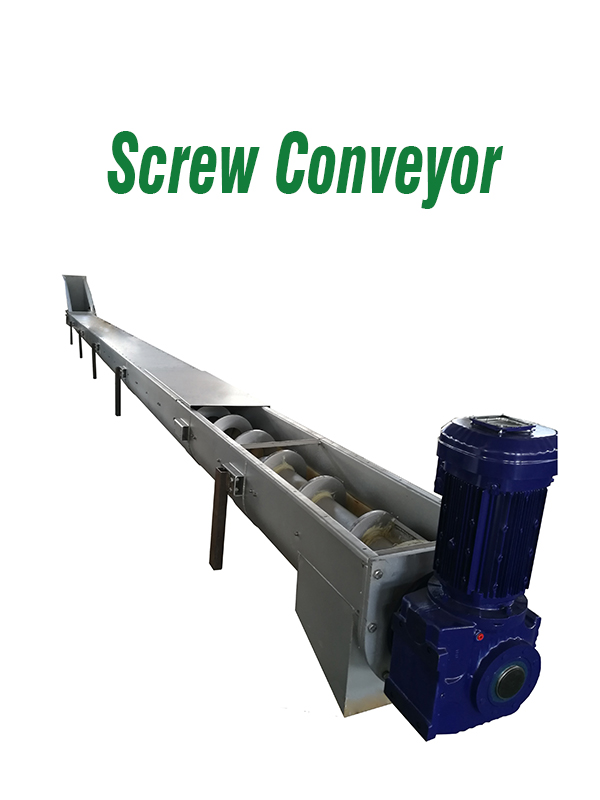
Regular cleaning and inspection should include cleaning protocols based on system usage hours rather than just intervals. Advanced systems incorporate IoT sensors that track and predict when cleaning is needed. Early detection of buildup through automated reports enhances cleaning efficiency. Scheduling around peak system operation times ensures minimal downtime. Additionally, implementing predictive maintenance software helps operators anticipate cleaning needs before system performance drops, aligning with industry standards for optimized asset management.
Component wear tracking benefits from modern technologies like vibration analysis and infrared thermography, allowing for non-invasive monitoring of parts like bearings and seals. By detecting temperature and vibration anomalies, maintenance teams can replace worn parts before catastrophic failures. Data collected helps to predict component life cycles accurately, ensuring timely interventions and preventing unexpected breakdowns. Tracking trends in wear patterns also enables better planning for part replacements, reducing downtime and minimizing costs.
Regular, targeted training based on real-time data ensures operators stay ahead of system issues. Operator knowledge of hydraulic pressure readings, motor diagnostics, and sensor deviations improves troubleshooting efficiency. Training programs should include advanced troubleshooting techniques, enabling teams to act swiftly on complex issues. Well‑documented response steps aligned with standard operating procedures ensure that even new staff can effectively manage problems, reducing the learning curve during system malfunctions. Regular drills and case study reviews ensure preparedness for any blockage scenario.
Effective troubleshooting of sludge dewatering blockages begins by identifying root causes like excessive solids, design mismatches, and poor pretreatment. Early signs such as pressure spikes and energy surges allow quick intervention. Using visual inspection, sensors, and corrective actions helps maintain steady system performance. Jiangsu BOE Environmental Protection Technology CO., Ltd. provides advanced solutions to optimize sludge dewatering systems, enhancing reliability and minimizing downtime for more efficient wastewater treatment.
A: Sludge blockages are often caused by excessive solids content, irregular particle size, or poor chemical dosing. Inadequate pretreatment and overloading systems can also lead to congestion, affecting sludge dewatering efficiency.
A: Start by checking for signs of increased back pressure, slow discharge rates, and energy spikes. Use sensors and visual inspections to identify the blockage location. Adjust feed rates and optimize chemical dosing to prevent future issues in sludge dewatering systems.
A: Sludge dewatering is essential for reducing the volume of waste, making it easier and more cost-effective to dispose of. It also improves handling, transportation, and regulatory compliance in wastewater treatment systems.
A: Optimize feed rates, use effective chemical dosing, and schedule regular maintenance. Ensuring proper pretreatment and pre-screening helps prevent blockages in sludge dewatering systems.
A: Variable speed drives help modulate feed rates in real-time, preventing sudden surges that could overwhelm internal systems. This promotes smoother operation, minimizes wear, and enhances sludge dewatering efficiency.