Views: 0 Author: Site Editor Publish Time: 2026-03-12 Origin: Site


Did you know that efficient sludge dewatering can drastically reduce waste management costs? In wastewater treatment, this crucial step reduces sludge volume and makes disposal easier. In this article, we will explore different sludge dewatering technologies, from mechanical methods to emerging innovations. You’ll learn how selecting the right technology can improve efficiency and ensure compliance with regulations.
Belt filter press systems are among the most established sludge dewatering methods in wastewater plants. They use two permeable belts that sandwich sludge and push it through a series of rollers. As the belts progress, gravity first drains free water, and then increasing pressure between rollers squeezes additional liquid out of the sludge. This sequential action yields a solid press cake that is easier to handle and transport. Belt press systems are continuous, energy efficient, and suitable for large flows typical of municipal or industrial wastewater treatment facilities.
Tip: Belt filter presses often need flocculant conditioning to achieve optimum dryness and throughput efficiency.
Centrifugal dewatering systems use rapid rotation to separate liquids from solids in sludge. The table below breaks down how these systems perform, what parameters matter, and why they are chosen in specific wastewater treatment scenarios.
| Aspect | How It Works | Operational Metrics | Performance & Output | Application Notes |
|---|---|---|---|---|
| Separation Mechanism | Uses centrifugal force up to thousands of ×G to drive solids outward and liquids inward, enabling rapid solid‑liquid separation. | G‑force Range: ~1000–4000×G depending on design. | Cake Dry Solids: ~15–35% typical (varies with feed and conditioning). | Works continuously, unlike batch presses; good for steady feed. |
| Mechanical Components | Bowl rotates at high speed; screw conveyor moves separated solids toward discharge. | Speed Control: Differential speed affects quality of dryness. | Volume Reduction: Up to ~95% volume reduction vs slurry volume. | Compatible with polymer conditioning to improve dewatering efficiency. |
| Feed Characteristics | Handles slurries with wide solid variations and viscosities. | Throughput: Scales from small plants to large industrial flows. | Dewatered Cake Form: Semi‑solid cake that can be conveyed and further treated. | Works best when sludge is pre‑conditioned to form flocs. |
| Automation & Control | Modern centrifuges integrate automated control and feedback systems. | Continuous Operation: No need for batch stops. | Maintenance: Regular checks enhance long‑term reliability. | Reduced labor cost vs manual systems due to automation. |
| Footprint & Integration | Compact design relative to energy/time delivered. | Space Requirement: Smaller than many press systems. | Integration: Works well in tertiary and advanced treatment lines. | Can be combined with paddle dryers or thermal systems. |
Tip: Prioritize reviewing sludge feed properties (e.g., dry solids, floc size) and centrifugal differential speed settings during commissioning — these strongly influence cake dryness and separation efficiency in continuous dewatering systems.
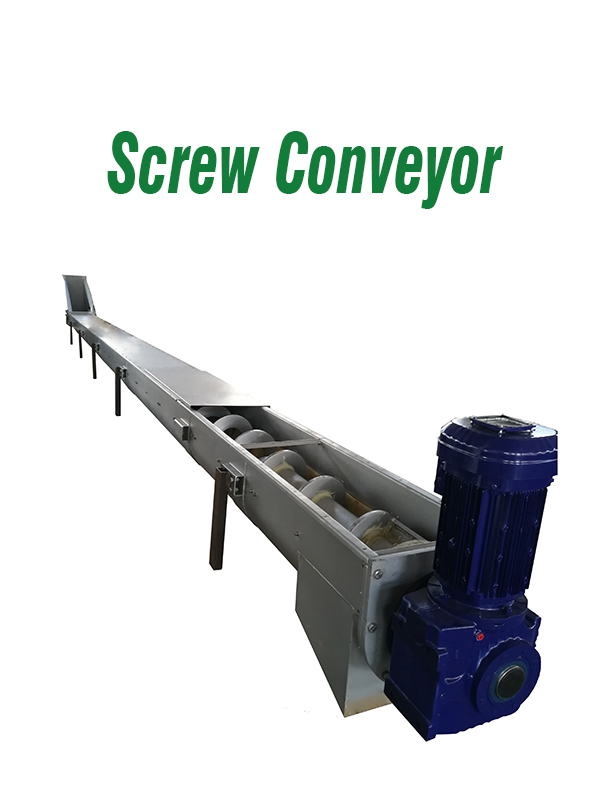
A screw press dewaters sludge by slowly conveying it through a cylindrical screen while compressing it via a rotating screw. The compression forces water through the screen into a collection system, leaving a thicker, more concentrated solid. Screw presses are simpler mechanically than some other presses and can handle materials that might clog high‑pressure systems. They are often used when simplicity and low maintenance are priorities, such as remote industrial sites or small wastewater plants. Because they operate at lower speeds, they may require longer processing time for similar dryness levels but provide stable performance across variable sludge types.
Vacuum filtration methods use suction to draw water out of sludge as it contacts a porous surface. Rotary vacuum filters, for example, rotate partially submerged in sludge while a vacuum applied inside the drum pulls liquid through the filter cloth. The filtered sludge builds up as a cake on the cloth’s surface and is removed as the drum turns. This type of sludge dewatering can achieve good dryness without high mechanical pressure and is well suited for plants where limited power or simple automation is preferred. Vacuum filtration systems are often integrated after sludge conditioning to improve solids capture and filtrate clarity.
Tip: Regular maintenance of vacuum filters’ cloths is critical to avoid reduced performance over time.
Filter presses rely on a series of plates covered by cloth media that create chambers for sludge to enter. Under hydraulic or mechanical pressure, water is forced out through the cloth while solids stay behind and form a dense filter cake. Compared with some other dewatering technologies, filter presses can deliver exceptionally high solids content in the final cake, which minimizes transport and disposal volumes. These systems are scalable and are valuable when cake dryness is a priority. They are suited for industrial waste streams or municipal plants that need stringent moisture reduction before final disposal or reuse.
Membrane filtration systems use fine membrane surfaces to aid sludge dewatering by physically separating water from suspended solids under pressure. Often used after initial mechanical or gravity dewatering, membrane technologies can polish filtrate to higher quality or concentrate solids when tighter separation is needed. They are particularly useful for industries or facilities with strict discharge requirements or for reuse applications where treated water returns to non‑potable systems. While membranes may require more careful operation to manage fouling, their ability to refine both solids and liquids makes them desirable for advanced wastewater treatment plants.
Drying beds and lagoons use gravity and natural evaporation to reduce moisture in sludge over time. Sludge is spread in thin layers over permeable surfaces, allowing water to drain into underlying layers and evaporate into the air. This passive sludge dewatering method shines in regions with favorable climates where sunlight and wind accelerate evaporation. Because it requires minimal mechanical infrastructure, it’s attractive for rural wastewater systems or smaller plants. Although slower than mechanical methods, drying beds and lagoons provide an eco‑friendly, low‑energy option for sludge volume reduction.
Evaporation‑based methods accelerate water loss from sludge by exposing it to heat or environmental conditions that enhance moisture removal. In arid regions or facilities with thermal energy resources, controlled evaporation can drastically lower moisture in sludge without heavy mechanical dewatering. Solar drying is a natural extension of this approach, combining heat and airflow to evaporate water over weeks. While typically slower and more climate‑dependent than mechanical systems, evaporation‑based dewatering is cost‑effective where land and time are abundant.
Geotextile or bag dewatering uses permeable fabric bags or containers to drain water under gravity. Sludge is loaded into bags, and water naturally flows through the fabric into drainage systems, leaving behind a consolidated solid mass. This method requires minimal energy and can be implemented without complex machinery, making it ideal for temporary sites, emergency response situations, or small treatment plants. The simplicity of bag dewatering makes it appealing for operations that need a straightforward sludge dewatering solution without heavy investment.
Hybrid systems blend mechanical pressure and advanced filtration to enhance sludge dewatering outcomes. Combining a belt press with downstream filtration, for example, can first remove bulk water and then refine solids capture for higher final dryness. These staged approaches leverage the strengths of each technology to balance throughput, dryness, and operational ease. In high‑demand treatment scenarios, hybrid systems help plants achieve performance goals more consistently, reducing the need for costly post‑treatment.
Tip: Hybrid systems often improve reliability when sludge characteristics fluctuate frequently.
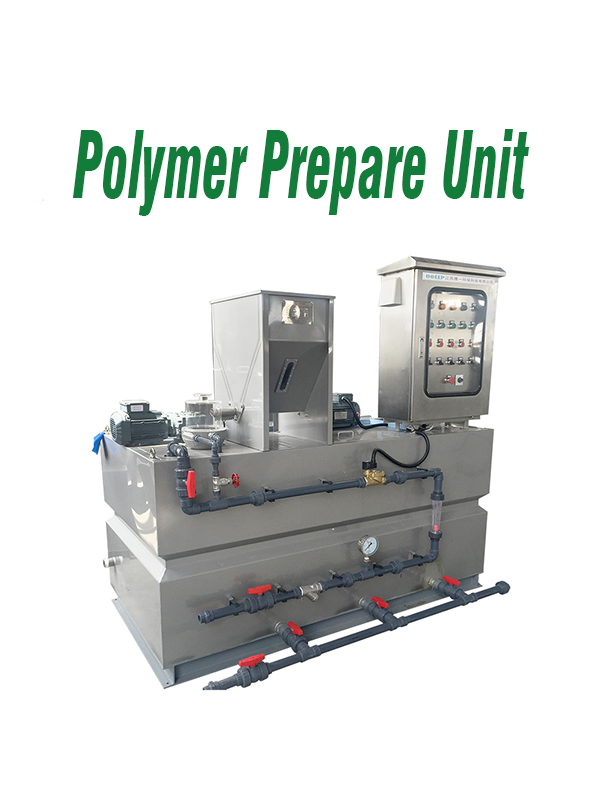
Chemical conditioning uses polymers or coagulants to bind fine suspended solids into larger aggregates before mechanical or filtration sludge dewatering. When added correctly, conditioning agents help form flocculated solids that release water more readily, improving cake quality and reducing cycle times. Industries handling high‑organic or fine‑particle sludge often use chemical conditioning to enhance separation efficiency. Proper dosing and mixing strategies ensure optimal results and can significantly elevate the performance of existing dewatering infrastructure.
Energy‑assisted drying introduces controlled heat to accelerate moisture loss and complement mechanical dewatering efforts. Belt dryers and thermal systems integrate heat into the dewatering line to produce extremely dry solids. This approach is common when the final sludge product is destined for reuse in energy recovery, composting, or fuel applications. By coupling thermal energy with mechanical processes, facilities can achieve drying levels unattainable by pressure or filtration alone, making it a strong option where lower moisture content significantly improves end‑use value.
Selecting the right sludge dewatering system begins with analyzing the sludge itself. Solids concentration, particle size, viscosity, and organic content determine how easily water separates from solids. Sludges high in fine particles may respond better to conditioning and combined systems, while heavier solids might suit mechanical presses or centrifuges. Evaluating these properties helps specify equipment that can achieve targeted dryness without unnecessary energy or capacity.
Tip: Conduct preliminary lab tests on sludge samples before committing to a technology.
Operational considerations include available floor space, energy consumption, automation requirements, and maintenance capabilities. Mechanical systems like belt presses demand regular maintenance and power, whereas natural methods require land and time. Facilities that emphasize automation may lean toward systems with built‑in controls and monitoring. Understanding these factors ensures the selected sludge dewatering technology aligns with a plant’s operational goals and workforce capabilities.
Before investing in sludge dewatering systems, facilities must evaluate not just upfront price but long‑term operating costs, energy use, maintenance, and disposal savings. The table below shows typical cost drivers and operational implications for major dewatering options.
| Category | Mechanical Systems (e.g., Belt Press, Centrifuge) | Natural/Passive Methods (e.g., Drying Beds, Lagoons) | Hybrid/Advanced Systems (e.g., Heat‑Assisted / Hybrid Filtration) |
|---|---|---|---|
| Capital Cost | High – requires purchase + installation of motors, controls, structures | Low‑Medium – minimal equipment, simpler site prep | Very High – heat systems, controls, dual‑stage machines |
| Operating Cost | Medium – ongoing power, automation, polymer dosing | Low – little power, mostly manual supervision | Medium‑High – energy for heat + mechanical stages |
| Energy Consumption | Moderate to high depending on speed & throughput | Very low – primarily sunlight/ventilation | High – thermal components + mechanical energy |
| Maintenance Demands | Frequent belt, bearing, and control maintenance | Low – inspect fabric, beds annually | Moderate – maintain both mechanical and supplemental systems |
| Labour Intensity | Medium – trained staff for operation and upkeep | Higher – manual handling and monitoring | Medium – skilled operation for complex integration |
| Dry Solids Output | High solids (e.g., 20–50%DS) improves transport | Lower solids initially – longer time to dry | Very high solids possible via heat/energy |
| Disposal Impact | Reduces volume significantly, lowers disposal cost | Slower volume reduction, larger footprint | Maximizes dryness to minimize disposal needs |
| Lifecycle ROI | Good long‑term ROI due to consistent performance and lower manual cost | Moderate ROI in low‑budget or low‑capacity scenarios | Strong ROI when high dryness yields reduced disposal and reuse value |
Sludge dewatering plays a crucial role in wastewater treatment by reducing moisture content and waste volume. This leads to cost-effective disposal and improved operational performance. Various technologies, from mechanical presses like belt presses, centrifuges, and screw presses, to filtration and passive methods, offer solutions based on sludge properties and operational needs. Choosing the right technology ensures efficiency, sustainability, and regulatory compliance. Jiangsu BOE Environmental Protection Technology CO., Ltd. provides cutting-edge solutions that enhance dewatering efficiency and support environmentally friendly processes.
A: Common sludge dewatering technologies include belt presses, centrifuges, and screw presses. These systems are designed to remove water efficiently from sludge, each offering different advantages depending on sludge type and required moisture content.
A: In sludge dewatering, a centrifuge uses high-speed spinning to separate water from solids. This method is effective for sludges with fine particles, providing a higher dewatering efficiency compared to other technologies.
A: Belt presses in sludge dewatering are cost-effective and suitable for municipal and industrial sludge. They provide a continuous process, reducing operational costs and offering moderate dewatering performance with low maintenance requirements.
A: Mechanical sludge dewatering technologies like belt presses and centrifuges are preferred for their efficiency in water removal, cost-effectiveness, and ability to handle large volumes of sludge without requiring chemicals or complex processes.
A: The choice of sludge dewatering technology depends on the sludge type. Industrial sludges may need specialized systems like screw presses or advanced conditioning, while municipal sludges are commonly treated with simpler methods like belt presses.